What are the Pros and Cons of Dental Crowns?

Dental Crowns

A dental crown is a type of dental restoration that places a cap over a tooth or dental implant. Crowns help keep the underlying tooth from breaking apart, and can be used to help fix an area on a tooth that is broken. There are different types of crowns available to patients, and depending on the severity of the tooth will determine which type of crown is best. Crowns are typically made of hard materials such as porcelain or ceramic, but can also be made of gold, resin, or stainless steel. They can be made to match the color, size, and shape of your natural teeth and blend in nicely.

Pros of Dental Crowns

Dental crowns improve your appearance, and can help correct any cosmetic issues in the mouth. There are many benefits to dental crowns, and crowns are commonly used today.

  • Crowns are used to replace large or worn out fillings in the teeth
  • Restore dental implants
  • Restore cracked, injured, or damaged teeth
  • Correct discoloration or alignment
  • Reshape your teeth
  • Keep cracked or damaged teeth from breaking down further
  • Protect the underlying tooth after a root canal
  • Crowns are durable and last for years

Cons of Dental Crowns

With any dental procedure there are always some disadvantages patients should consider. In some cases, crowns may need to be repaired or replaced. This is not common but does happen occasionally. During a crown procedure the tooth has to be filed down to ensure the crown can be securely placed. If a crown is not fitted properly there is risk that it can fall out, or allow bacteria to enter underneath the crown. Patients may become more sensitive to hot or cold after their crown is placed. Our office typically recommends a sensitive toothpaste to help with this issue.

If patients ever have an issue with a crown we encourage them to contact our office right away. Leaving a damaged crown untreated can lead to further issues or complications. Overall, crowns are extremely helpful in preserving teeth, and give patients a beautiful natural white smile. The benefits of crowns definitely outweigh the risks.

Interested in Finding Out More?

If you are interested in finding out more about dental crowns, or if you have a damaged or discolored tooth, a dental crown may be the right solution. Our team is available to help you take the next step towards that perfect smile.

To schedule your consultation with our team contact our office, and our friendly staff will be happy to assist you!

How Do I Help with Tooth Pain?

Dentalemergency1

If you think you may have a dental emergency it is important to know what to do to ensure your issue is addressed as soon as possible. Our office provides same day or next day appointments to accommodate our patients that need immediate treatment.

One of the most common dental emergencies that patients experience is tooth pain. There are tips you can try at home if the tooth pain does not go away while you wait for an appointment in our office. Pain is a way of our body sending a message that something is wrong. Typically, if patients experience pain this means there is a problem that must be addressed.

There are many causes for tooth pain such as tooth decay, issues with a filling, tooth fracture, or infection. If you have any of the below signs you may have an infection, and you must be seen right away.

• Fever
• Swollen or red gums
• Blood or pus around tooth
• Throbbing pain that does not go away
• Swollen or tender face or jaw

What Can I Do at Home to Relieve Tooth Pain?

There are remedies patients can use at home to help treat tooth pain while they wait to be seen in our office. These remedies can help reduce pain and keep you comfortable.

• Take an anti-inflammatory such as ibuprofen.
• Use a pain relief gel on the area.
• Apply a cold compress covered with a cloth to the area to help reduce inflammation for 20 minutes each time.
• If you have a hot compress this can also be used on the area to help relieve pain.
• Peppermint tea bags can be used on the area and are known to help ease oral pain.
• Clove oil can be used on the area and is known to help reduce inflammation or numb oral pain.

Looking to Make an Appointment to Address Tooth Pain?

If you have tooth pain that does not go away we recommend making an appointment to be seen in our office. Our staff will provide a thorough exam to help identify the cause and address your tooth pain. X-rays may be taken to get a closer look at the issue. We will recommend treatment options, and always address serious issues immediately.

Patients can prevent tooth pain by practicing good oral hygiene habits at home. Brushing and flossing each day is important as well as eating a healthy diet, and avoiding high sugar foods or drinks. We also recommend to avoid hard food items that may cause a crack or injury to your teeth. Regular dental cleanings and exams in our office can help keep your mouth and teeth feeling great.

If you have tooth pain and would like to make an appointment, please call our office and our staff will make sure you are seen as soon as possible!

How Do I Get Rid of Bad Breath?

Anxietyfeat

Many people suffer from chronic bad breath or halitosis. Bad breath is something you do not want to be known for, and typically finding the cause is easy. If you suffer from bad breath but also brush, floss, or gargle each day the cause may not be obvious. Taking the time to figure out the underlying problem that may be causing your bad breath is important, and finding a cure can be simple.

Common Cause of Bad Breath

Dental Hygiene

The first area patients should focus on is their dental hygiene habits. Gum or mints are only a short term solution, and finding the cause is the only way you can truly get relief from bad breath. Looking at your dental hygiene is a great place to start because dental hygiene is the most common cause of chronic bad breath. About 85% of bad breath comes from inside the mouth. If you do not brush and floss daily, bacteria can get left behind and cause issues with your breath. Bacteria eats the leftover food particles in your mouth, and as a result leaves a foul smelling odor in your mouth and on your teeth.

Devices

If patients wear retainers, dentures, or mouthguards while they sleep, these devices can trap bacteria or food particles if not cleaned properly. This can attribute to halitosis or chronic bad breath. Taking care of your teeth and mouth is extremely important for your overall and oral health, and can prevent issues such as bad breath that could be embarrassing around others.

Cavities or Infection

If you suffer from cavities or have an infection lingering in your mouth that has not been treated, this can cause bad breath. Attending regular visits to our office for your dental cleaning and exam is important. Our skilled staff can get in front of issues such as cavities or infections and prevent further problems in the future. If patients have issues with their tonsils or throat, this can cause bad breath, and can be from an infection such as strep throat. Patients should seek treatment from their primary care physician if they feel there is an issue with their tonsils or throat.

Dry Mouth or Dehydration

Dehydration or dry mouth is a common cause of bad breath. Saliva and water wash away bacteria or food particles. If your mouth is not hydrated this reduces saliva and can cause halitosis. Our saliva contains pertinent minerals and proteins that help defend against bacteria. Staying hydrated is important to keep our mouth healthy and to prevent bad breath.

Other Possible Causes for Bad Breath

• Diabetes
• Throat or mouth cancer
• Sinus infection
• Digestive issues
• Acid reflux
• Lung infection
• Liver disease

What Can I Do to Cure My Bad Breath?

• Brush and floss two times a day
• Use an antimicrobial rinse daily
• Tongue scrape daily to remove bacteria
• Remove any devices and clean them thoroughly
• Visit our dental office for regular cleanings and exams
• Review your diet and try and stick to eating healthy foods
• Drink water and stay hydrated
• Avoid tobacco products

Looking For Help With Chronic Bad Breath?

There are many simple solutions to cure bad breath. We encourage you to make an appointment for an exam in our office to discuss your concerns. Our skilled staff can help give you tips, and our thorough dental exam can help identify any issues you may have that could be causing chronic bad breath. If you have already tried simple solutions and still notice your bad breath does not go away, we may advise you make an appointment to see your primary care physician.
If you are interested in finding a solution to cure bad breath we can help. To schedule your appointment contact our office, and our friendly staff will be happy to assist you!

How Do I Know If I Have a Cavity?

Gumfeat

Taking care of your oral and overall health must be a priority. Knowing when you need to call your dentist is important. Practicing good oral hygiene habits help to prevent tooth decay, cavities, and many other issues. Cavities are one of the most common issues patients face, and about 30 percent of Americans have untreated dental cavities. Leaving a cavity untreated can destroy your teeth leading to tooth loss, infection, and other more serious conditions.

It is helpful for patients to understand what a cavity is, and also know what symptoms to look out for if you think you may have a cavity.

What is a Cavity?

A cavity is when bacteria or food build up and form plaque on your teeth. The bacteria eat away at the enamel on your teeth and cause decay. Good oral hygiene habits are so important, and brushing and flossing can help you get rid of the plaque build up to prevent cavities from developing. Once the cavity is formed there is a small hole in your tooth, and if left untreated the cavity can destroy your tooth or develop an infection.

What Are the Signs of a Cavity?

There are signs you can look out for that may indicate you have a cavity. If you experience any of these signs we encourage you to contact our office, and our staff will get you in as soon as possible. Our team always works to keep our patient’s teeth and mouth healthy and pain free.

• Sensitivity to hot and cold that lingers and does not go away
• Sensitivity to sweet foods or drinks
• A toothache that is on or around one or more teeth
• Pain when you bite down or pain during eating
• Discoloration, white spots, or staining on a tooth
• A small hole or mark on your tooth

Need to Contact Our Office?

Knowing these signs can help you decide if you need to contact a dentist. We always tell patients to never hesitate to contact us with any questions or concerns. We are here to help, and a cavity should never be left untreated.
If you think you may have a cavity and need to schedule an appointment, contact our office and our friendly staff will be happy to assist you!

How Can Poor Oral Health Affect the Rest of the Body?

Smilingfamily

Oral health is extremely important for many reasons. If patients suffer from gum disease, cavities, or bad breath this can cause issues with your teeth and mouth. Our mouths are a pathway for bacteria to enter the body. The bacteria are able to enter the blood stream, and this can also cause infection or inflammation in other parts of our body.

Taking good care of your teeth and mouth can keep your body healthy, and can also help avoid serious issues in the future. At David Urich, DDS in Solana Beach, CA, we encourage our patients to practice good oral hygiene habits at home. We also promote overall health and wellness. Our team cares about each patient, and keeping up with your oral health not only can keep your teeth and mouth feeling great, but your body feeling great also.

What Problems Can Occur From Poor Oral Health?

Respiratory Infections

If you have infected or inflamed gums that bacteria can transfer into the lungs. This can lead to respiratory infections, pneumonia, or even bronchitis.

Dementia

Inflamed gums can release substances that are harmful to our brain cells. This can lead to memory loss that is a result of bacteria spreading to the nerves.

Cardiovascular Disease

If you have poor oral health you are at risk for cardiovascular disease. The bacteria from the infected gums enters the bloodstream, and can cause the arteries to build up plaque. This can put you at risk for a heart attack.

Prostate Problems

If men suffer from periodontal disease they may have prostatitis. This condition causes irritation and other prostate related problems.

Diabetes

Diabetics are more likely to have infected gums over those that do not have diabetes. This can make diabetes difficult to control due to unregulated blood sugar levels. Gum disease can lead to higher blood sugar levels and this can put a person at risk for developing diabetes.

Infertility

Poor oral health and infertility in women are linked. If a woman suffers from gum disease this can lead to issues with infertility, and may make it difficult for a woman to conceive or have a healthy pregnancy.

Cancer

Poor oral health can put patients at risk for kidney cancer, pancreatic cancer, or blood cancer. In addition if patients smoke or use tobacco products this can lead to oral or throat cancers.

Rheumatoid Arthritis

People who have gum disease are more likely to have Rheumatoid Arthritis. The bacteria in our mouths can increase inflammation in the body, and this increases the risk for developing Rheumatoid Arthritis.

Kidney Disease

Kidney disease is a health problem that affects the kidneys, heart, bones, and blood pressure. Periodontal disease can lead to kidney disease. Patients with gum disease typically have weaker immune systems, and this can make them susceptible to infection. Many patients that have poor oral health also have kidney disease, and this can lead to kidney failure if not treated.

How Can I Prevent These Health Issues?

In order to prevent serious health issues caused by bad oral health habits you must take care of your oral health. Scheduling regular dental exams in our office can help keep your teeth and gums clean, and get in front of any issues before they arise. Dr. Rich Constantine’s friendly Solana Beach dental team always put our patients first, and complete a thorough exam of your teeth and mouth to ensure everything is looking and feeling great. If we do have concerns, we will discuss those with you and develop a customized treatment plan to take care of any issues right away.

Tips for Good Oral Hygiene

  • Brush and floss your teeth daily
  • Avoid smoking or using any tobacco products
  • Use mouthwash that contains fluoride
  • Try and stay away from food and drinks that contain lots of sugar
  • Eat a well-balanced diet
  • Exercise and take care of your overall health

If you take care of your oral health, you take care of your body. Good oral hygiene can help prevent problems such as gingivitis or periodontal disease, as well as prevent more serious health issues in your body.

Looking for a Family Dentist Near You?

At David Urich, DDS, we provide the highest level of dental care for patients of all ages. We welcome all new patients, and use state of the art technology to ensure our patients have an exceptional experience when visiting our office. If you are looking for a dentist near you, contact our dental office in Solana Beach, CA to schedule your next dental exam and our friendly staff will be happy to assist you!

Is it Better to Get A Dental Implant or a Bridge?

Feature Image 3 Dental Implants

When deciding on a restorative solution it is important to look at all of your options to help you decide on the best option that works for you. A common question patients face is if they should choose a dental bridge or dental implants when they are looking for a tooth replacement solution. Both are restorative solutions for missing teeth, and it is helpful to understand the differences. At David F. Urich, DDS in Solana Beach, CA, we provide our patients with a thorough consultation to examine their teeth & mouth and will discuss the differences between all of the restorative options available. Our staff works closely with our patients to help choose the best solution.

What Is a Dental Bridge?

A dental bridge is a fixed restoration that fills the gap created by one or more missing teeth. Bridges are anchored to one or more neighboring teeth also known as abutment teeth. Bridges can be supported by natural teeth or by dental implants. The false teeth are in-between and are called pontics.

How Do Dental Bridges Work?

During your first appointment at our dental office in Solana Beach, we prepare the neighboring teeth. The preparation for a bridge involves removing part of the enamel to allow room for the crown. The crowns are placed over the neighboring teeth. Impressions of your teeth are taken to make the bridge in the lab, and temporary bridges are used while you wait for your permanent bridge.

Patients return to the office, and we remove the temporary bridge to prepare for the permanent bridge. The new bridge is installed, and we check to make sure the bridge is comfortable, and the perfect fit. Patients may have to return to our office again to ensure the bridge is working well with your bite. Once we know the bridge fits properly we will cement the bridge in place.

Lqoj4jyg.jpeg

How Long Will Dental Bridges Last?

Dental bridges last around 10-15 years. Bridges do involve using some of your natural teeth, and this can cause your bridge to fail over time. The teeth around the bridge are still vulnerable to decay and disease which can attribute to the life of the bridge. Patients must practice good oral hygiene habits at home to keep the bridge and surrounding teeth clean. Dr. David Urich, our dentist in Solana Beach, CA recommend brushing twice a day and flossing to ensure you carefully clean around both the false and natural teeth. Visiting our office regularly can help to keep your teeth clean, and your bridge looking and feeling great.

What Are the Benefits of Dental Bridges?

  • Surgery is not required
  • Dental bridges tend to be less costly compared to implants
  • Jawbone density is not an issue with bridges
  • Overall the bridge procedure is less invasive compared to dental implants

What Are Dental Implants?

Implants are a permanent solution for patients that have missing, broken, or damaged teeth. They are durable, and act similar to a screw that is placed into the jawbone. The screw acts like an artificial tooth root, and provides a strong base for one or more artificial teeth. Implants require a healing period to give the implant time to fuse to the jawbone. This process allows the implant to function just like a natural tooth.

How Do Dental Implants Work?

Dental implants require multiple appointments in our dental clinic in [insert city, state], and the process takes a few months. The first step involves placing the implant into the patient’s jawbone. Once this is done there is a healing period where we must give the implant time to fuse to the jawbone. This process is known as osseointegration.

Part of our implant evaluation process is to determine if the patient has adequate bone in the jaw to support the implants. If needed, bone grafting can be done to give patients the bone required to provide the necessary support. Once the healing process is complete the patient returns to our office, and an abutment or connector is placed on top of the implants. This allows the crown to be secured to the implant. Custom crowns are made to match the size, shape, and color of your natural teeth. Temporary crowns may be used while patients wait for the permanent crowns to be installed.

How Long Will Dental Implants Last?

Dental implants are durable and last upwards of 25 years, or a lifetime if they are cared for properly. Implants are built out of titanium, and provide patients with a permanent solution for missing teeth. Caring for dental implants is like caring for natural teeth, and Dr. David Urich recommend practicing good oral hygiene habits at home to keep your implants looking and feeling great.

What Are the Benefits of Dental Implants?

  • Dental implants are long lasting, and are a permanent restorative solution
  • Easy to care for
  • Implants function like natural teeth
  • Chewing power is restored with dental implants
  • Speech and overall appearance are improved
  • Patients can eat all the foods they normally would with implants
  • Dental Implants tend to cost more, but are a good investment because they are built to last
Dr

Looking for a Dentist to Provide Dental Implants or Dental Bridges Near You?

Choosing the best restorative option is a big decision, and our team is here to help. Our consultation process will answer all of your questions, and we will discuss what option may work best for you. We want our patients to be proud of their smile, and our team works to give patients the highest level of care. At David Urich, DDS, we welcome our patients in a comfortable and relaxing environment using state of the art technology. Creating beautiful smiles is what we do, and we take pride in giving patients a smile they can be proud of.

If you are interested in finding out more about your restorative options such as dental implants or dental bridges, please contact Dr. Urich in Solana Beach to schedule your consultation.

When Should a Person Switch Dentists?

Docfeat

Switching dentists can be a hard decision, but patients need to make a change if they notice things aren’t working out with the current practice. Knowing when to make the move can be hard, but there are some tips you can follow to help you find your new dental office or dental clinic in the Solana Beach, CA area.

There are signs you can look out for that indicate it may be time to start your search to find your next dental practice. At David Urich, DDS, we welcome new patients to our practice, and strive to provide exceptional service to patients of all ages. We know how important finding the right dentist is, and we go above and beyond to provide the highest level of service and care for our patients!

What Are Some Signs That Indicate it May Be Time to Switch Dental Practices?

  • Your dentist has retired or moved
  • You have decided to move away from the area
  • Appointments tend to be at inconvenient times
  • Getting to your dentist is difficult, and the practice may be in an inconvenient location
  • The practice does not offer the dental procedures you need
  • Your friends or family have recommended another practice that sounds like it may be a better fit
  • You have had to call the billing department and dispute charges multiple times
  • Your dental insurance has changed
  • You do not feel comfortable with the recommended treatment plan at your current dentist
Patient Info Policy 1 1.jpg

How Should I Go About Switching Dentists?

Once you have made the decision to switch dentists you can focus on finding your new practice. Making sure the new dentist is a good fit is important, and there are many things to consider. Think about what type of dental practice you would like for you and your family. Would a family practice work better and if so, make sure the new practice can provide all of the necessary services for your entire family. Research if the practice offers orthodontics if you have teenagers, should you need that type of treatment. This will help to eliminate the need for switching dentists again in the future.

Do your research and check out some online reviews to read about the dentist’s certifications or background. Read about the mission statement to understand the practice values, and how the practice is run. Make sure the facility is updated, and has the latest technology and advanced procedures available.

Once you have done your research and have found a dentist you think may be a good fit, schedule a visit to check out the practice. This way you can see firsthand if you are comfortable, and if your family would benefit from joining the practice. 


When visiting the office take mental notes of important things such as how you are treated during your visit, and how long it takes you to get to and from the practice. Ask the staff if you can have a tour of the office to ensure the practice meets your expectations.

Dr

Looking for a quality Dentist Near You?

If you are looking for a family friendly dentist in Solana Beach, CA, contact Dr. David Urich for your next dental cleaning. Our goal is to provide exceptional service in a family friendly environment. Our staff is available to answer any questions you may have, and we welcome all new patients to our office.

If you are interested in scheduling your next dental cleaning with us, please contact Dr. Urich, and one of our staff members will be happy to assist you.

Can Dental Cleanings Damage Enamel?

Iaurvdfw.jpeg

Dental cleanings are integral part of our oral health, and are typically recommended twice a year. Keeping our teeth and gums free and clear of harmful bacteria is important. At David Urich DDS, our team is proud to offer general dental treatments like dental cleanings in Solana Beach, CA. We strive to provide quality services for our patients, and always make sure our patients are relaxed and comfortable during their visit.

However, some patients have asked us if having their teeth cleaned regularly can damage the enamel on our teeth. We hope that this article can help address this common concern.

Can Dental Cleanings Damage Enamel?

Dental cleanings do not damage the enamel on your teeth! Cleanings safely remove the plaque and bacteria that builds up over time on the teeth and under the gums. If teeth are not cleaned regularly inflammation can occur, and this can lead to gum disease. Brushing at home is a great way to remove bacteria from the teeth, but brushing cannot clean our teeth like a professional cleaning. Our certified hygienists provide quality cleanings to keep your teeth and mouth healthy.

If teeth are cleaned improperly at home or by a non-professional, damage can occur to the enamel. Enamel is extremely durable, and it is hard to chip or damage during cleaning exams. Enamel can wear off if patients suffer from bruxism, or use harsh brushing strokes while brushing their teeth at home. Acidic foods or drinks can also cause erosion to enamel on our teeth.

If you have concerns about the condition of the enamel on your teeth, please let our team know when you schedule your appointment.
Woman Smiling At Doctor

What Should I Expect During my Cleaning Appointment?

Dental cleanings in our office typically take anywhere from 30-45 minutes. X-rays are taken if needed, and carefully reviewed during your exam to help our team to provide a customized treatment plan for each patient. Our skilled hygienists use special tools to carefully remove the hard layer of plaque from a patient’s teeth, and we ensure your mouth is free of any plaque or bacteria. Our staff will discuss the health of your teeth and gums, and will recommend further treatment if needed.

Your oral health is extremely important to us, and we encourage our patients to keep up with regularly scheduled dental cleanings to keep their teeth looking and feeling great. Regular dental cleanings are a great way to prevent future issues. Dental exams give us the opportunity to catch any potential issues early, and prevent serious issues from developing.

Dr

Looking for a quality Dentist in [insert city] for your next Dental Exam?

If you are looking for a family friendly dentist in Solana Beach, contact Dr. David Urich for your next dental cleaning. Our goal is to provide exceptional service in a family friendly environment. Our staff is available to answer any questions you may have, and we welcome all new patients to our office.

If you are interested in scheduling your next dental cleaning with us, please contact Urich Dental in Solana Beach, and one of our staff members will be happy to assist you.

What is the Difference Between Dental Implants & Veneers

Feature Image 2 Veneers

Dental Veneers and Dental Implants both can give patients a beautiful white smile. Deciding what restorative or cosmetic option works best for you depends on the condition of your teeth. Our staff at Urich Dental in Solana Beach, CA provides cosmetic and restorative consultations to all our patients to take a detailed look at your mouth and determine a customized treatment plan that works for you. We listen to your goals and look at all options to give you the opportunity to choose the best one.

So, what is the difference between the two? Typically, Dental Veneers and Dental Implants are used for different reasons. This all depends on how much damage a patient has to their teeth.

What are Dental Implants?

Dental Implants are the leading restorative solution for many patients and one of the most common procedures done today. Implants are permanent and reliable giving patients the feeling that they have natural teeth. Implants are used for patients that have lost a tooth or teeth, have suffered from periodontal disease, or an injury. Dental implants take multiple appointments across a few months to complete.

Implants last upwards of 25 years or a lifetime if taken care for properly. They provide many benefits to patients, and are comfortable in the mouth. Implants allow patients to speak, eat, and function just like they would with natural teeth.

As part of our evaluation process, Dr. David Urich will determine if the patient has enough bone present in the jaw to support the implants. If needed, bone grafting can be done to provide the additional support. During the implant procedure metal posts are placed in the jaw, and these act similar to artificial tooth roots. These posts provide the required support needed for the implants. Once the healing process is complete, an abutment or connector is secured on top of the implants. This allows the crown to be secured on top of the implant.

Crowns are custom made to match the color, size, and shape of your teeth. Temporary crowns are used while the patient waits for the permanent crown to be placed. Practicing good oral hygiene habits and visiting our office regularly will help to keep your implants looking and feeling great.

Dr

Contact Dr. David Urich in Solana Beach

Choosing the best option is important, and our team at Urich Dental is here to help give you all of the options available to achieve that bright white smile. We welcome all patients, and strive to always provide quality service our patients can count on.

If you are interested in finding out more about Dental Veneers or are looking to get dental implants in Solana Beach, CA, please contact Dr. David Urich to schedule your consultation.

Types And Causes Of Malocclusion

Types And Causes Of Malocclusion

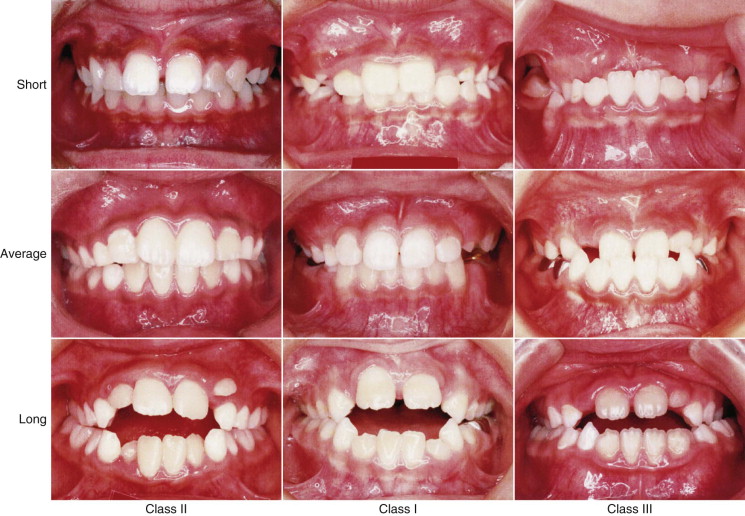
According to research, most people have malocclusion. However, most of them do not even know about the presence of a problem, and they come to the orthodontist only with the problem of “uneven teeth”. But the wrong bite is not always accompanied by a violation of the aesthetics of the dentition. Bite or occlusion is the position of the teeth and jaw when closed. A physiological or normal bite is when the teeth in the dentition have tight contacts, the chewing surfaces of the antagonist teeth (teeth on the opposite jaw) uniformly close together, the upper incisors overlap the lower ones by 1/3.

An incorrect bite can take 2 forms: dental and skeletal.

In the case of a dentition occlusion, pathological closure is formed due to the improper arrangement of the teeth, their abnormal size or deficiency, as well as the improper development of the dentoalveolar process – that part of the oral cavity where the teeth grow from. With such a bite, the patient’s jaws, as a rule, have the correct physiological size and location. If the jaw sizes or the position of the jaws cause incorrect closure of the teeth, then such a bite is called skeletal. Skeletal abnormalities can occur in an increased (macrognathia) or reduced (micrognathia) jaw size, in pushing it forward or backward (retrognathia). Skeletal bite is usually more difficult to correct than dental abnormalities, in especially severe cases it is impossible without the help of surgery.

An incorrect bite can be a combination of skeletal and dental abnormalities, and one type can be a consequence of another: due to the incorrect position of the jaws, the teeth grow crooked, and vice versa, the incorrect position of the teeth leads to the forced position of the jaws and the bite is fixed in the skeletal form.

Causes of malocclusion

A malocclusion is usually the result of a combination of causes. For all types of improper occlusion, there are a number of common occurrence factors.

  • Genetic predisposition – transmission of dentoalveolar anomalies from parents.
  • Frequent or constant oral breathing, if normal nose breathing is difficult or impossible due to ENT diseases (rhinitis, sinusitis, curvature of the septum). When breathing through the mouth, the tongue, jaw and lips are in a non-physiological position and constant tension, which affects the growth of the jaw, alveolar bone and the position of the teeth.
Causes Of Malocclusion
  • Bad habits of childhood that interfere with the adequate growth of teeth, bones, and the position of the spine. These include: long sucking on a dummy, finger or foreign objects, the habit of touching the growing tooth with the tongue or hands, incorrect posture in the sitting position.
  • A lack of calcium and other nutrients during fetal development and in childhood negatively affects bone growth.
  • Improper bottle-feeding with a wide opening. If the baby does not strain the muscles during feeding (as happens with breastfeeding), then the growth of the jaws is not stimulated.
  • Dental problems with milk and removable bite. These include all factors that violate physiological closure: over-completeness or incomplete number of teeth, earlier tooth loss or decay, disproportionately large or small teeth, lack of space in the dentition.
  • Improper prosthetics are a factor in malocclusion in adults.
  1.